
Foot odor is that socially awkward condition that is due to bacteria breaking down the fatty acids in sweat.
Foot odor, also known as bromodosis, is primarily caused by the interaction of sweat and bacteria on the skin’s surface. The feet have numerous sweat glands, and when sweat combines with bacteria, it can lead to an unpleasant odor.
Risk factors that contribute to foot odor:
- Sweat: The feet have a high concentration of sweat glands, producing significant amounts of sweat. Sweat itself is odorless, but when it comes into contact with bacteria on the skin, it creates an environment that promotes bacterial growth and leads to odor.
- Bacteria: The skin is home to various types of bacteria, including those that thrive in warm and moist environments like the feet. When sweat provides a moist environment, bacteria multiply and break down sweat into substances that emit an unpleasant odor.
- Poor ventilation: Wearing shoes and socks that don’t allow proper ventilation can create a warm and damp environment, making it easier for sweat and bacteria to accumulate. This is particularly true with tight or non-breathable footwear.
- Hyperhidrosis: Some individuals experience excessive sweating, known as hyperhidrosis. Excessive sweat provides more moisture for bacteria to thrive, increasing the likelihood of foot odor.
- Poor hygiene: Inadequate foot hygiene, such as infrequent washing, not thoroughly drying the feet, or reusing dirty socks, can contribute to the buildup of sweat and bacteria, leading to foot odor.
- Footwear choices: Certain types of shoes, such as those made of synthetic materials that don’t allow proper air circulation, can trap moisture and contribute to foot odor. Wearing the same shoes every day without giving them time to dry out between uses can also exacerbate the problem.
- Fungal infections: Fungal infections like athlete’s foot (tinea pedis) can cause foot odor. The fungi break down skin cells, leading to an unpleasant smell.
- Diet and lifestyle: Certain foods, such as those with strong odors (garlic, onions, etc.), can cause the body to excrete these odors through sweat, including the feet. Additionally, excessive alcohol consumption can contribute to increased sweating and foot odor.
To help get rid of foot odor, consider the following measures:
- Practice good foot hygiene by washing your feet thoroughly with soap and water daily.
- Dry your feet thoroughly, paying attention to the spaces between toes, before putting on socks and shoes.
- Wear clean, moisture-wicking socks that allow your feet to breathe.
- Choose breathable footwear made from natural materials like leather or canvas.
- Use antifungal powders or sprays if you suspect a fungal infection.
- Rotate your shoes to allow them to dry completely between uses.
- Consider using odor-controlling insoles or foot powders.
- Avoid wearing the same pair of shoes every day.
- If excessive sweating or foot odor persists, consult a healthcare professional for further evaluation and guidance.
By addressing the factors contributing to foot odor and maintaining good foot hygiene, you can reduce the likelihood and severity of unpleasant foot odors.
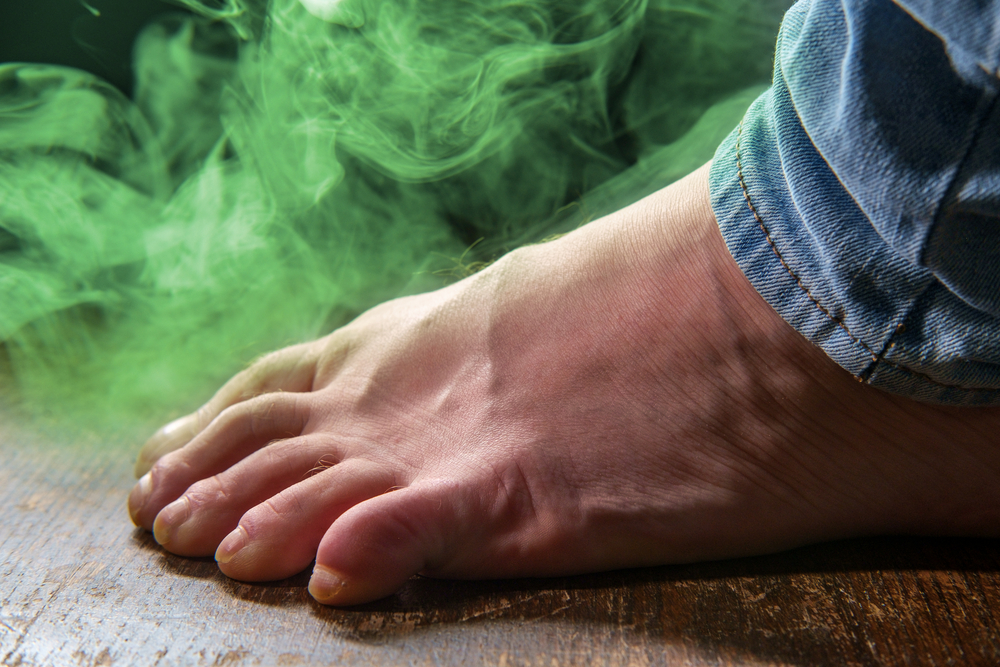
Common FAQs about dealing with bad foot odor (bromodosis)
1. What causes bad foot odor?
Sweat itself is mostly odorless. The smell comes from bacteria (such as Brevibacterium, Corynebacterium, and others) that break down sweat, dead skin cells, and amino acids on the feet into smelly compounds like isovaleric acid (often described as cheesy or vinegary).
Feet have a high concentration of sweat glands (around 250,000 per foot) and are often trapped in warm, moist shoes and socks, creating ideal conditions for bacteria and sometimes fungi. Contributing factors include excessive sweating (hyperhidrosis), poor ventilation from shoes, fungal infections like athlete’s foot, hormonal changes, certain foods/alcohol, or simply not drying feet thoroughly.
2. Why do my feet still smell even after washing them?
Washing removes some surface bacteria, but odor often returns if:
- Feet (especially between the toes) are not dried completely.
- The same shoes are worn daily without time to dry out fully (shoes can harbor bacteria).
- There is excess sweating, thick callused skin that bacteria feed on, or an underlying infection (athlete’s foot or pitted keratolysis).
- Socks or shoes trap moisture.
Antibacterial soap plus thorough drying, shoe rotation, and moisture control usually help more than a regular rinse.
3. How can I get rid of smelly feet at home?
Most cases improve with consistent hygiene and moisture control:
- Wash feet daily with antibacterial soap (or mild soap), scrubbing soles and between toes. Dry thoroughly—use a towel or even a hairdryer on cool/low for between the toes.
- Change socks at least once a day (more if sweaty); prefer moisture-wicking materials like merino wool or synthetics over plain cotton in many cases.
- Rotate shoes—never wear the same pair two days in a row so they fully dry (24–48 hours). Use baking soda, charcoal inserts, or disinfectant sprays inside shoes.
- Apply foot powder, antifungal powder, or clinical-strength antiperspirant (aluminum chloride) to dry feet, especially at night.
- File away hard/dead skin regularly and keep toenails short and clean.
- Soak options: Epsom salt (helps draw out moisture), dilute vinegar (1 part vinegar to 2 parts water), or strong black tea (tannins can reduce sweating and bacteria). Soak 10–20 minutes a few times a week, then dry well. Avoid soaks on broken skin.
4. Do home remedies like vinegar, baking soda, or tea soaks actually work?
They can help as part of a routine. Vinegar creates an acidic environment less friendly to bacteria. Epsom salt draws moisture. Black tea’s tannins may temporarily reduce sweating. Baking soda absorbs odor and moisture in shoes/socks. Results vary and work best alongside daily washing, drying, sock changes, and shoe rotation rather than as standalone “cures.”
5. What socks and shoes are best for preventing odor?
- Socks: Moisture-wicking (merino wool, synthetic athletic socks, or those with silver/copper ions). Change them if damp. Some experts note cotton can hold moisture against the skin.
- Shoes: Breathable materials (leather, mesh, canvas). Avoid tight or fully synthetic non-breathable pairs for long periods. Alternate pairs and let them air out. Consider removable insoles that can be washed or replaced. Go barefoot or wear sandals at home when possible.
6. Can diet or lifestyle affect foot odor?
Yes, to some degree. Alcohol, spicy foods, garlic, onions, and certain cruciferous vegetables can temporarily influence body (including foot) odor via compounds excreted in sweat. Excess weight, stress/anxiety (which increase sweating), hot weather, exercise, and standing all day also contribute. Reducing alcohol and managing overall sweating helps some people.
7. Is foot odor a sign of a medical problem?
Often it’s just sweat + bacteria + environment. However, it can signal or worsen with:
- Athlete’s foot (fungal infection—itching, peeling, redness between toes).
- Hyperhidrosis (excessive sweating).
- Pitted keratolysis (bacterial infection with small pits on the soles).
- Rarely, issues related to diabetes, kidney/liver problems, or other conditions (especially if the smell changes dramatically or other symptoms appear).
See a doctor or podiatrist if home measures fail after a couple of weeks, if there is pain, cracking, peeling, discoloration, or if you have diabetes or circulation issues.
8. When should I see a doctor or specialist?
- Odor persists despite good hygiene, shoe rotation, and OTC products for 2–4 weeks.
- Accompanied by itching, scaling, blisters, pits on the soles, or unusual skin changes.
- It significantly affects daily life or confidence.
- You have diabetes, poor circulation, or immune issues (foot problems can escalate).
A GP, dermatologist, or podiatrist can check for infection, prescribe stronger antiperspirants (e.g., higher-strength aluminum chloride), antifungals, antibiotics, or treatments like iontophoresis (mild electrical current to reduce sweating). In stubborn hyperhidrosis cases, other options like Botox injections may be discussed.
9. How long does it take to fix smelly feet?
Many people notice improvement in 1–2 weeks with consistent daily washing/drying, sock changes, shoe rotation, and antiperspirant or powder use. Full control of bacterial load and shoe colonization can take 2–4 weeks. Persistent cases linked to infection or hyperhidrosis may need medical treatment for lasting results.
10. Can I use regular deodorant or antiperspirant on my feet?
Yes—clinical-strength antiperspirants containing aluminum chloride are commonly recommended and effective for reducing sweat on the soles and between toes (apply to clean, dry feet at night). Regular deodorant can mask odor temporarily but does less for the root moisture issue. Avoid applying to broken or irritated skin.
Quick start routine many find effective: Wash + thoroughly dry → apply antiperspirant or powder → moisture-wicking socks → rotate shoes → optional weekly soak. Consistency beats any single “miracle” product.