
Chiropody is the old name for Podiatry.
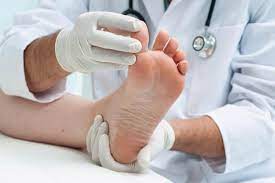
The terms “chiropody” and “podiatry” are often used interchangeably, and in many regions, they refer to the same profession. However, there can be regional variations in how these terms are used. In general, though, there is no substantial difference between chiropody and podiatry.
Historically, “chiropody” was the term commonly used to describe the practice of foot care and treatment of foot conditions. It originated in the United Kingdom and was used in many Commonwealth countries, including Canada. However, in recent years, the term “podiatry” has gained broader acceptance and is increasingly used to describe the same profession.
Podiatry or chiropody refers to the specialized field of healthcare focused on the diagnosis, treatment, and management of foot and lower limb conditions. Podiatrists or chiropodists are healthcare professionals who are trained and qualified to assess and address various foot problems, provide preventive care, and offer treatment options for foot-related conditions. They can diagnose and treat conditions such as nail disorders, corns, calluses, ingrown toenails, foot deformities, sports injuries, and more.
Podiatrists or chiropodists undergo formal education and training specific to the field, which may include obtaining a degree in podiatry or chiropody from an accredited educational institution. They are trained in areas such as anatomy, biomechanics, dermatology, pharmacology, orthotics, wound care, and surgical interventions related to the foot and lower limb.
While “chiropody” and “podiatry” were historically used to refer to the same profession, the term “podiatry” has become more widely accepted globally. Both terms describe the specialized field of foot care and the healthcare professionals who provide foot-related services. The specific terminology used may vary depending on the region or country.
In most places (especially the UK, Australia, and much of the world), a chiropodist and a podiatrist are the same profession. “Chiropodist” is the older traditional term; “podiatrist” is the modern, internationally preferred name. Both titles are protected in the UK and refer to regulated healthcare professionals who assess, diagnose, and treat conditions of the feet and lower limbs.
FAQ’s om Chiropody and Podiatry
1. What is the difference between a chiropodist and a podiatrist?
In the UK and many other countries, there is no practical difference. Both titles describe the same regulated profession. “Chiropodist” was the traditional British term; “podiatrist” became the standard name as education moved to degree level and the profession aligned internationally. Both titles are protected by the Health and Care Professions Council (HCPC) in the UK—anyone using either must be registered.
2. Why are there two different names?
“Chiropody” comes from Greek roots meaning “hand” + “foot.” The name changed mainly for two reasons:
- To avoid confusion with chiropractors (who treat the spine and musculoskeletal system more broadly).
- “Podiatry” (from “pod” = foot + “iatros” = physician) more accurately describes a medical specialty focused on the feet and lower limbs.
The shift accelerated in the mid-to-late 20th century as training became more advanced and internationally recognized.
3. Do they have different qualifications or training?
In the UK today, no. Practitioners using either title complete the same degree-level education (typically a BSc in Podiatry) with extensive clinical training and must register with the HCPC. Some older practitioners who trained under earlier diploma systems may still prefer the title “chiropodist,” but the modern standard is the same. In some countries (notably parts of Canada such as Ontario), the titles can carry different scopes of practice and education pathways.
4. Can both treat the same conditions?
Yes. Both assess, diagnose, and treat a wide range of foot and lower-limb problems, including:
- Corns, calluses, and hard skin
- Ingrown or problematic toenails
- Fungal infections and verrucae (warts)
- Heel pain, plantar fasciitis, and sports injuries
- Biomechanical issues and gait problems
- Diabetic foot care and high-risk patients
- Advice on footwear and orthotics
Many can also administer local anaesthetic, perform certain minor procedures (such as nail surgery), and prescribe limited medicines depending on their additional qualifications.
5. Is one more qualified or “better” than the other?
Not in the UK. The titles are interchangeable for the same regulated profession. What matters more is the individual practitioner’s experience, additional training (e.g., in biomechanics, diabetes care, or surgery), and registration status. Always check that the person is HCPC-registered if you are in the UK.
6. Why do some people still say “chiropodist”?
It is the older, familiar term, especially among older generations in the UK and Ireland. Many clinics and practitioners still use both titles or “chiropody/podiatry” for clarity. Professional bodies (such as the Royal College of Podiatry) now prefer “podiatrist.”
7. Are there any places where the difference is real?
Yes. In Ontario, Canada, chiropodists and podiatrists are distinct regulated groups with different education requirements and scopes of practice (podiatrists generally have broader surgical and diagnostic privileges). In the United States the profession is almost exclusively called podiatry (Doctor of Podiatric Medicine). In most other English-speaking countries the terms are effectively synonyms.
8. How can I check if someone is properly qualified?
In the UK, search the HCPC online register for the protected titles “chiropodist” or “podiatrist.” Membership of a professional body such as the Royal College of Podiatry is also a good indicator of ongoing professional standards.