
Abebe Bikila is an Ethiopian runner who won the gold medal in the 1960 Rome Olympic marathon, running barefoot. He won the 1964 Tokyo Olympic marathon running in shoes in world record time. Abebe Bikila was an Ethiopian long-distance runner who became a global sports icon and is widely recognized as one of the greatest […]
Uncategorized
B is for Body Mass Index
July 16, 2013
The Body Mass Index is defined as weight over height squared and is considered a useful screening tool for obesity. The Body Mass Index (BMI) is a commonly used measurement to assess body weight relative to height. It is calculated by dividing a person’s weight in kilograms by the square of their height in meters […]
A is for Abductory Twist
July 16, 2013
An Abductory Twist is a whip of the heel that ccours in some people as the heel comes off the ground when walking. Abductory twist, also known as a medial heel whip or medial heel whip phenomenon, is a term used to describe a characteristic movement that can be observed during the gait cycle. It […]
U is for Ulcer
June 12, 2013
An ulcer is a break in the skin, usually caused by pressure. It is much more common in those with diabetes and neuropathy and can set in motion a chain of events that can have very serious consequences. It is a common complication of the diabetic foot. An ulcer is an open sore or wound […]
V is for Varicose Veins
June 12, 2013
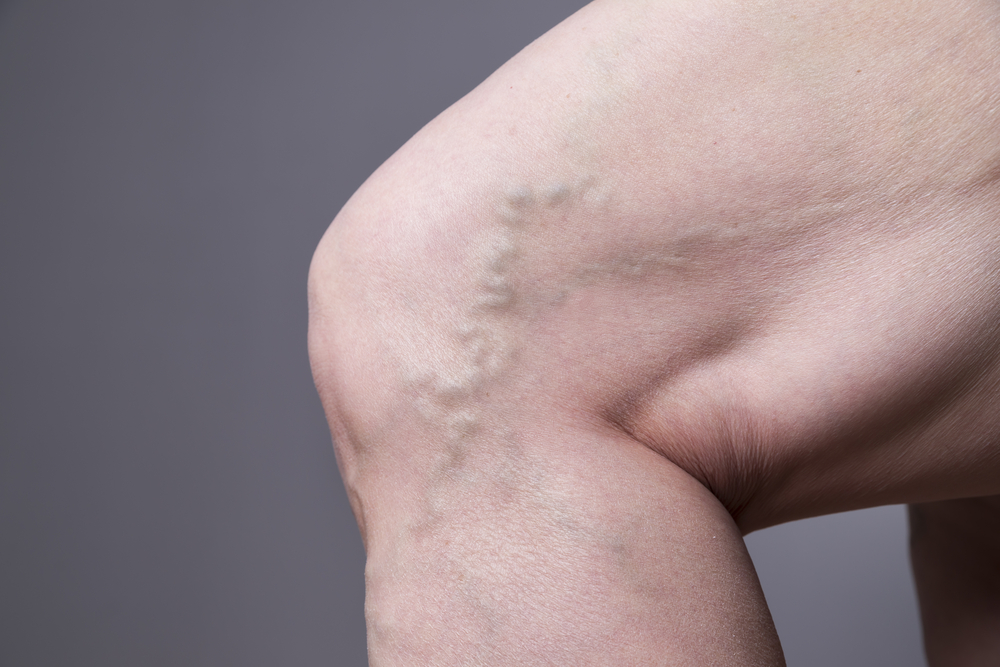
Varicose veins are a common problem due to issues with the competency of the valves in the veins of the legs. Varicose veins are enlarged, swollen, and twisted veins that usually appear dark blue or purple in color. They commonly occur in the legs and can be a result of weakened or damaged vein walls […]
W is for Warts
May 25, 2013
These are common viral infections that cause lesions on the foot. On the bottom of the foot, they are often called a plantar verruca. Warts and verrucae are essentially the same thing and are often used interchangeably to describe a specific type of skin infection caused by the human papillomavirus (HPV). The main difference lies […]
S is for Stress Fractures
May 18, 2013
Stress fractures are small cracks that develop in bones when the cumulative load on the bone exceeds the ability of the bone to take the load. Stress fractures are small cracks or breaks in a bone that develop due to repetitive stress or overuse. They are typically caused by repetitive forceful activities that exceed the […]
R is for Rheumatoid Arthitis
May 18, 2013
Rheumatoid arthritis is a common form of arthritis that affects the foot with inflammation and deformity. Rheumatoid arthritis (RA) is a chronic autoimmune disease that primarily affects the joints, causing inflammation, pain, stiffness, and joint deformity over time. It occurs when the body’s immune system mistakenly attacks its own healthy tissues, particularly the synovium, which […]
R is Raynaud’s
May 18, 2013
Raynauds is a vasospastic condition of the fingers and toes that restricts blood flow to the superficial skin. Raynaud’s disease, also known as Raynaud’s syndrome or Raynaud’s phenomenon, is a condition that affects the blood vessels in the extremities, typically the fingers and toes. It causes episodes of vasospasm, which is a sudden narrowing of […]
O is for osteoarthritis
May 17, 2013
Osteoarthritis is the most common form of arthritis and commonly affects the foot. Osteoarthritis is a common form of arthritis that primarily affects the joints. While the exact cause of osteoarthritis is not fully understood, it is believed to result from a combination of genetic, biomechanical, and environmental factors. Risk factor that contribute to the […]