
The Os Trigonum is a small bone at the back of the ankle joint in some people that can be painful. The os trigonum is an extra bone located in the back of the ankle, specifically at the posterior aspect of the talus bone. It is a small, accessory bone that is present in a […]
Uncategorized
P is for Plantar fasciitis
May 16, 2013

Plantar fasciitis is the most common cause of heel pain and the most common musculoskeletal problem seen by Podiatrists. Plantar fasciitis is a common foot condition characterized by pain and inflammation in the plantar fascia, a thick band of tissue that connects the heel bone to the toes, providing support to the arch of the […]
P is for Peripheral Vascular Disease
May 16, 2013
Peripheral Vascular Disease is the main cause of poor circulation to the foot and lower limb. Peripheral Vascular Disease (PVD) is a condition that affects the blood vessels outside of the heart and brain, particularly those supplying the legs and arms. It is also commonly referred to as Peripheral Artery Disease (PAD) or Peripheral Arterial […]
N is for neuropathic arthropathy
May 12, 2013

Neuropathic arthropathy is the joint destruction that happens most common in diabetes when there is damage to a joint if there is also impaired sensation from the nerves. It is also called Charcots foot. Neuropathic arthropathy, also known as Charcot joint or Charcot arthropathy, is a condition characterized by progressive degeneration of a joint due […]
L is for Lymphoedema
May 12, 2013
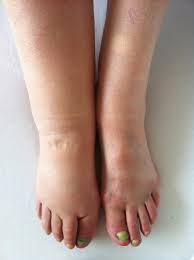
Lymphoedema is a swelling of the lower limbs due to a problem with the lymphatic drainage. Lymphedema is a chronic condition characterized by the accumulation of lymph fluid in the tissues, leading to swelling, usually in the arms or legs. It occurs when there is a disruption in the normal flow of lymphatic fluid, which […]
J is for Junkie
May 9, 2013

Running Research Junkie is a website that analyses all the latest research on running shoes, running injury and running technique.
J is for Juvenile Bunion
May 6, 2013

A Juvenile bunion is the name given to bunion or hallux valgus that develop in kids. A juvenile bunion, also known as adolescent bunion or adolescent hallux valgus, refers to the development of a bunion deformity in children or adolescents. A bunion is a bony bump that forms at the base of the big toe, […]
I is for Impetigo
May 3, 2013

Impetigo is a common minor skin infection caused by staph. aureus. Impetigo is a common and highly contagious bacterial skin infection. It primarily affects children, but it can also occur in adults. Impetigo is caused by bacteria, most commonly Staphylococcus aureus or Streptococcus pyogenes. Key points about impetigo:
I is for iliotibial band syndrome
May 3, 2013
Iliotibial band syndrome is a common problem on the outside of the knee, mostly in runners. Iliotibial Band Syndrome (ITBS), also known as IT Band Syndrome, is a common overuse injury that affects the iliotibial band, a thick band of fibrous tissue that runs along the outside of the thigh from the hip to the […]
H is for Hammer Toes
May 1, 2013
Hammer toes is a problem in which the proximal IP joint is prominent and subject to pressure from the shoes causing corns. Hammer toes, also known as hammertoes, are a common foot deformity that affects the middle joints of the toes. They usually occur in the second, third, or fourth toes, causing them to bend […]