
Gout occurs when uric a crystal are deposited into joint when the serum levels are high. The pain of gout comes from the inflammatory reaction to those crystals. Less of the foodstuff that raise the uric acid levels need to be eaten.
Gout is a form of arthritis caused by the buildup of uric acid crystals in the joints.
Diagnosis:
- Medical history and physical examination: Your doctor will ask about your symptoms, medical history, and any family history. They will also perform a physical examination to assess joint inflammation and tenderness.
- Blood tests: A blood test can measure the level of uric acid in your blood. However, it’s important to note that high levels of uric acid do not necessarily mean you have gout, and some people with gout have normal uric acid levels.
- Joint fluid analysis: Your doctor may use a needle to withdraw fluid from an inflamed joint. This fluid can be examined under a microscope to check for uric acid crystals, which are a definitive sign of gout.
Treatment:
- Medications for acute gout attacks:
- Nonsteroidal anti-inflammatory drugs (NSAIDs): These drugs can help reduce pain and inflammation during an acute gout attack.
- Colchicine: It is an alternative option for pain relief if NSAIDs are not suitable or tolerated.
- Corticosteroids: If NSAIDs or colchicine are ineffective or contraindicated, corticosteroids may be prescribed either orally or injected into the affected joint.
- Medications to prevent future gout attacks:
- Uric acid-lowering medications: Drugs such as allopurinol, febuxostat, and probenecid are commonly used to lower uric acid levels in the blood, thus reducing the frequency and severity of gout attacks. These medications are usually taken on a long-term basis.
- Colchicine or low-dose NSAIDs: To prevent gout attacks when starting uric acid-lowering medications, a short-term course of colchicine or low-dose NSAIDs may be prescribed.
- Lifestyle and dietary changes:
- Hydration: Drink plenty of fluids, primarily water, to help flush out uric acid from your system.
- Diet modifications: Limit your intake of high-purine foods, such as red meat, seafood, organ meats, and certain vegetables like asparagus and mushrooms. Also, limit alcohol consumption, particularly beer.
- Weight management: Maintain a healthy weight to reduce the risk of gout attacks.
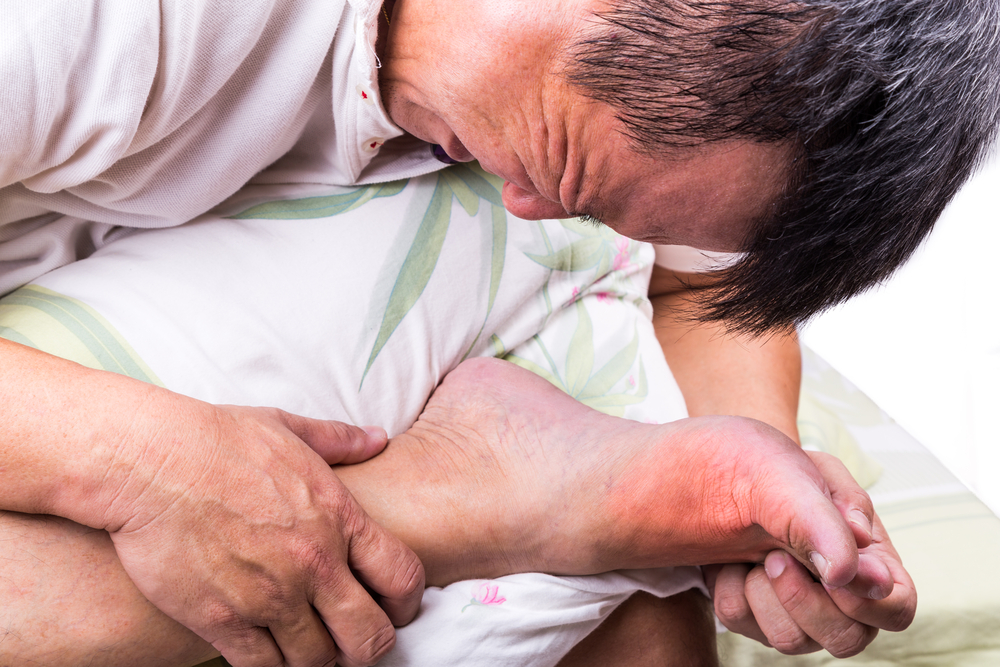
FAQs about Treating Gout
How is an acute gout flare treated?
Treatment should start as soon as possible (ideally within 24 hours) for the best results. First-line options include:
- Nonsteroidal anti-inflammatory drugs (NSAIDs) such as ibuprofen, naproxen, or prescription versions (e.g., indomethacin or celecoxib).
- Colchicine (most effective early; lower doses reduce side effects like nausea or diarrhea).
- Corticosteroids (oral pills like prednisone, or injections into the joint or muscle).
These reduce pain and inflammation. Rest the joint, elevate it, and apply ice (wrapped in a cloth) for 15–20 minutes at a time. Continue any ongoing uric acid-lowering medication during a flare—do not stop it. Avoid aspirin, as it can raise uric acid.
What medications are used for long-term prevention?
Urate-lowering therapy (ULT) reduces uric acid production or increases its excretion. Common options include:
- Allopurinol (first-line preferred for most people, including those with moderate-to-severe chronic kidney disease). Start low and increase gradually (“start low, go slow”).
- Febuxostat (alternative if allopurinol is not suitable; use cautiously in people with heart disease).
- Others in specific cases: probenecid (increases excretion), or pegloticase (IV infusion for severe, refractory gout).
The usual target is a serum uric acid level below 6 mg/dL (360 µmol/L); a lower target (<5 mg/dL) may be used for severe disease with tophi or frequent flares. Anti-inflammatory prophylaxis (low-dose colchicine, NSAID, or steroid) is often given for 3–6 months when starting ULT to prevent flares triggered by falling uric acid levels.
When should long-term uric acid-lowering treatment be started?
Guidelines (e.g., American College of Rheumatology) strongly recommend ULT for people with:
- Two or more flares per year
- Tophi
- Radiographic joint damage from gout
- Chronic kidney disease (stage ≥3), kidney stones, or very high uric acid
It may also be considered after a first flare in higher-risk people (young onset, comorbidities, very high uric acid). Treatment is often lifelong once started, because stopping usually leads to recurrence.
What lifestyle and diet changes help treat or prevent gout?
Medications are usually needed for lasting control, but lifestyle measures support treatment:
- Lose weight if overweight (even modest loss helps lower uric acid and reduces joint stress).
- Stay well hydrated (aim for plenty of water; more during flares).
- Limit alcohol (especially beer), sugary drinks/high-fructose items, organ meats, red meat, and certain seafood (anchovies, sardines, shellfish).
- Favor a balanced pattern such as the DASH or Mediterranean diet: fruits, vegetables, whole grains, low-fat dairy, and plant proteins.
- Low-fat dairy and moderate vitamin C intake may modestly help lower uric acid.
Diet alone rarely lowers uric acid enough to control established gout.
Can gout be cured?
Gout is highly controllable but not usually “cured” in the sense of permanent remission without ongoing management. With consistent ULT that keeps uric acid below target, most people can become free of flares and dissolve existing crystals over time (this can take months to years). Stopping medication typically allows gout to return.
How long does it take for treatment to work?
- Acute flare medications often bring relief within hours to a few days if started early; full resolution may take days to a couple of weeks.
- Uric acid-lowering therapy takes longer: levels drop within weeks, but flares may continue or even temporarily increase for the first few months. Significant reduction in flares and crystal dissolution usually requires sustained control for 6–12 months or more.
What home remedies or self-care steps help during a flare?
- Rest and elevate the joint.
- Apply ice packs (15–20 minutes several times a day).
- Drink plenty of water.
- Take any doctor-recommended “as-needed” anti-inflammatory medication promptly.
- Avoid alcohol, sugary drinks, and high-purine foods during the flare.
These measures support medical treatment but do not replace it.
Are there side effects or risks with gout medications?
Yes—discuss them with your doctor:
- NSAIDs: stomach irritation, ulcers, kidney effects, blood pressure rise (avoid or use caution with kidney disease, ulcers, or certain heart conditions).
- Colchicine: gastrointestinal upset (nausea, diarrhea); dose adjustments needed with kidney/liver issues or certain drug interactions.
- Corticosteroids: short-term use can raise blood sugar, blood pressure, or mood changes.
- Allopurinol: rash, rare severe hypersensitivity (higher risk in some genetic groups—HLA-B*5801 testing may be considered); start low.
- Febuxostat: possible increased cardiovascular risk in some patients.
Regular monitoring of uric acid, kidney function, and side effects is important.
What if standard treatments aren’t working?
Confirm the diagnosis (joint fluid analysis for crystals is definitive). Ensure the uric acid target is being reached and the dose is optimized. Additional options may include combination therapy, switching agents, or specialist referral for refractory cases (e.g., pegloticase). Rule out other causes of joint pain or contributing factors (medications like diuretics, other medical conditions).