

Grierson Gopalan Syndrome was originally described by Grierson in 1829 and Gopalan in 1946 and is a term that is now used as a...
Grierson Gopalan Syndrome was originally described by Grierson in 1829 and Gopalan in 1946 and is a term that is now used as a...

There are a lot of painful conditions of the toenails and onychophosis is probably the most common. It is the development of a callus...

With the development of peripheral neuropathy in diabetes mellitus there is a wasting or atrophy of the small muscles in the foot leading to...

As a consequence of the increased glycation of proteins that occurs in long term diabetes the collagen in the ligaments become more rigid, leading...
The Foot Tapping Test is a measure of how many times you can tap your foot in 10seconds. It declines with age, mobility impairment...
Parkinson’s disease is a neurological is a progressive condition of the nervous system which affects movement. The symptoms start gradually, sometimes starting with a...

Developmental co-ordination disorder is an under-recognized disorder to development in children that affects gait. Developmental Coordination Disorder (DCD), also known as dyspraxia, is a...
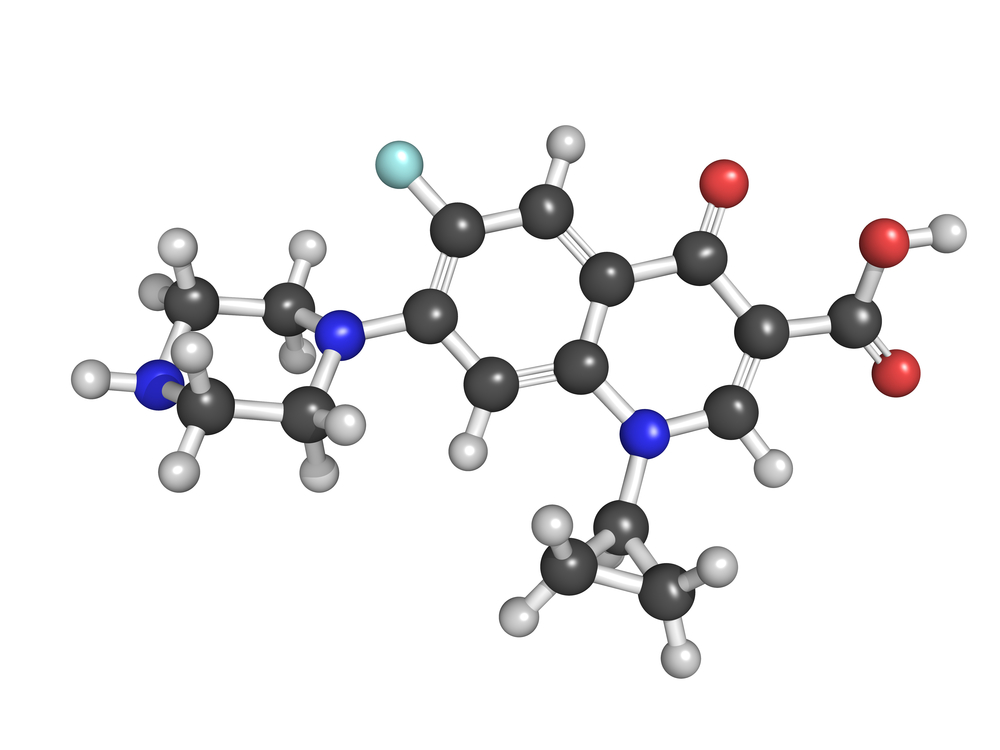
Fluoroquinolones are an antibiotic that increase the risk for tendinopathy and achilles tendon ruptures. Fluoroquinolones are a class of antibiotics that are used to...
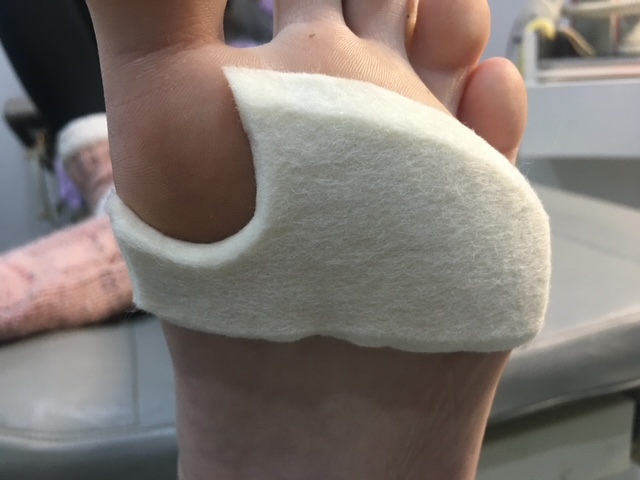
Podiatry or chiropody felt is a commonly used padding material that is cut to size to get the pressure of areas that are painful....