Posts Tagged ‘ C is for ’

C is for Carbon fiber plate

July 23, 2022

Carbon fiber plates are often used as shoe stiffeners for conditions like hallux rigidus and turf toe Rigid carbon fiber insoles are often used in the treatment of various foot conditions and injuries. They provide stability, support, and can help alleviate pain by redistributing pressure and promoting proper foot alignment. Some foot conditions and injuries […]

Tags:
Posted in Uncategorized | No Comments »

C is for the Calcaneal Squeeze Test

July 21, 2022
calcaneal squeeze test

The Calcaneal Squeeze Test is test to compress the sides of the calcaneus and is helpful as part of the assessment for calcaneal apophysitis or a calcaneal stress fracture. Technique Interpretation

Tags:
Posted in Uncategorized | No Comments »

C is for Calcaneal stress fracture

July 20, 2022

A calcaneal stress fracture is the second most common stress fracture in the foot. It almost always tests positive to the calcaneal squeeze test. Calcaneal stress fractures can be caused by repetitive stress or excessive force applied to the calcaneus (heel bone). The repetitive stress gradually weakens the bone, leading to a fracture. Some common […]

Tags:
Posted in Uncategorized | No Comments »

C is for COVID Toes

June 24, 2020
C is for COVID Toes

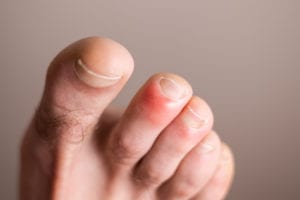
COVID toes refers to the high prevalence of chilblains of the toes in those with COVID-19. COVID toes, also known as COVID-19 toe lesions or pernio-like lesions, are skin manifestations that have been observed in some individuals infected with the SARS-CoV-2 virus, which causes COVID-19. These skin changes typically appear as red or purple discoloration, […]

Tags:
Posted in Uncategorized | No Comments »

C is for Compartment Syndrome

April 21, 2013

Compartment syndrome is a condition in which the fascia is around the muscle is tight and muscle activity produces pain. Compartment syndrome in the leg occurs when there is increased pressure within the compartments (enclosed spaces) of the leg, leading to inadequate blood flow and oxygen supply to the muscles and tissues. The primary causes […]

Tags:
Posted in Uncategorized | No Comments »

C is for Charcot Marie Tooth disease

April 21, 2013

Charcot Marie Tooth disease is a condition that starts in kids and in most cases lead to a cavus or higher arched foot. Charcot-Marie-Tooth (CMT) disease, also known as hereditary motor and sensory neuropathy (HMSN), is a group of inherited neurological disorders that affect the peripheral nerves. It is one of the most common inherited […]

Tags:
Posted in Uncategorized | No Comments »

C is for Crocs

December 10, 2012
C is for Crocs

Crocs are a wildly popular form of footwear that come in so many different types, styles and colors. The also make a toning shoes with therapeutic claims. Opinions on footwear, including Crocs, can vary greatly among individuals. While some people appreciate and enjoy wearing Crocs, others may have negative views or preferences for different reasons. […]

Tags:
Posted in Uncategorized | No Comments »

C is for Cancer

November 13, 2012

Cancer can affect the foot directly or secondarily via a metastasis to the foot. Cancer can be defined as a complex group of diseases characterized by the uncontrolled growth and division of abnormal cells. These cells have the potential to invade and destroy normal tissues and organs within the body. Cancer can occur in various […]

Tags:
Posted in Uncategorized | No Comments »

C is for Circulation Booster

November 13, 2012
C is for Circulation Booster

The Circulation Booster is a device that provides a small stimulation to the bottom of the foot to encourage the muscles to contract. This is claimed to help the circulation. Circulation boosters, also known as circulation or blood flow stimulators, are devices that claim to improve blood circulation in the legs and feet. They typically […]

Tags:
Posted in Uncategorized | No Comments »

C is for Charcot’s Foot

November 13, 2012

Charcot’s foot is a fracture or dislocation that occurs in medical conditions like diabetes when there is no nerve sensation to feel the trauma. Charcot’s foot, also known as Charcot arthropathy, is a serious complication that can occur in individuals with diabetes. It is a progressive condition that affects the bones, joints, and soft tissues […]

Tags:
Posted in Uncategorized | No Comments »