Posts Tagged ‘ C is for ’

C is for Chevron Osteotomy

November 13, 2012
C is for Chevron Osteotomy

A Chevron Osteotomy is a common procedure for the surgical management of bunions. The Chevron osteotomy is a surgical procedure commonly used to correct bunions, also known as hallux valgus deformity. It is a type of osteotomy, which involves cutting and repositioning bone to realign the joint and correct the deformity. During a Chevron osteotomy, […]
Tags:
Posted in Uncategorized | No Comments »

C is for Chinese Foot Binding

November 13, 2012
C is for Chinese Foot Binding

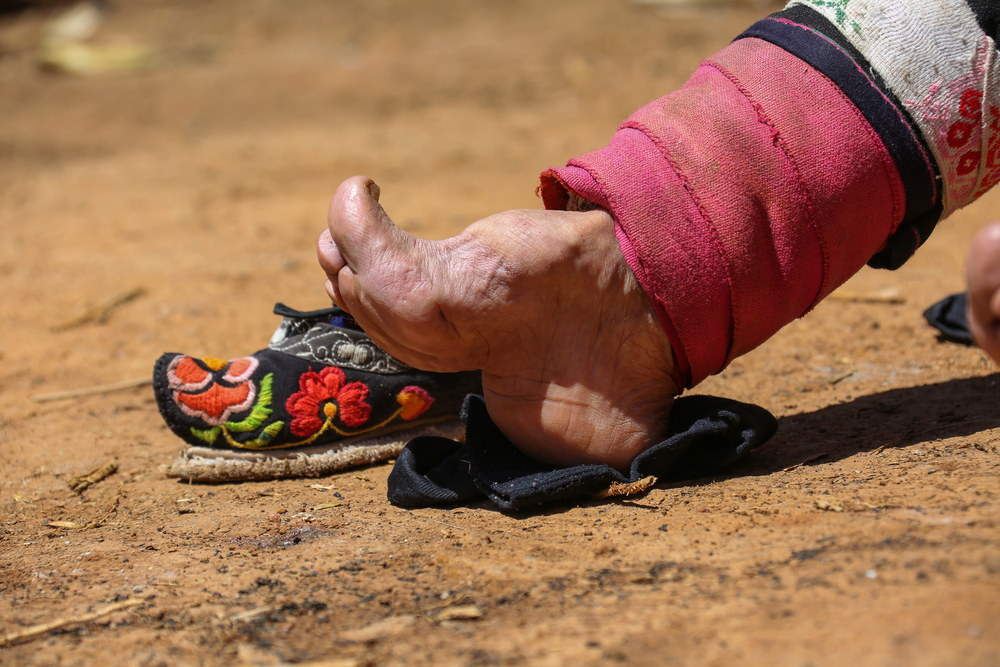
Chinese foot binding is an ancient practice in China in which the feet of young girls were tightly bound to stop them growing as a smaller foot was considered more attractive. Chinese foot binding, also known as lotus feet, was a practice that involved tightly binding the feet of young girls and women in China […]

Tags:
Posted in Uncategorized | No Comments »

C is for Chiropody

November 13, 2012
C is for Chiropody

Chiropody is the old name for Podiatry. The terms “chiropody” and “podiatry” are often used interchangeably, and in many regions, they refer to the same profession. However, there can be regional variations in how these terms are used. In general, though, there is no substantial difference between chiropody and podiatry. Historically, “chiropody” was the term […]

Tags:
Posted in Uncategorized | No Comments »

C is for Clubfoot

November 13, 2012

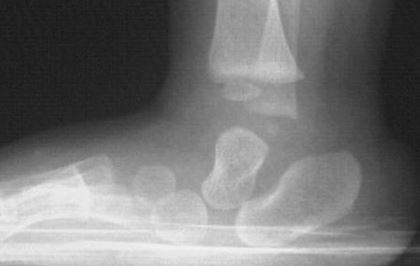
Clubfoot is a congenital birth defect in which the foot is plantarflexed, adducted and inverted. Clubfoot is a congenital condition, meaning it is present at birth, and its exact cause is not fully understood. However, several factors are believed to contribute to the development of clubfoot: Genetic factors: There is evidence to suggest that clubfoot […]

Tags:
Posted in Uncategorized | No Comments »

C is for Congenital Vertical Talus

November 13, 2012
C is for Congenital Vertical Talus

Congenital vertical talus is a condition present at birth that causes a very rigid flat foot. Congenital vertical talus, also known as congenital convex pes valgus or congenital rocker-bottom foot, is a rare foot deformity that is present at birth. It is characterized by a rigid and fixed dorsiflexion of the talus bone (the bone […]

Tags:
Posted in Uncategorized | No Comments »

C is for Corns

November 13, 2012

Corns are probably the most common cause of pain in the foot and the most common problem seen by Podiatrists. Corns on the foot are small, hardened areas of skin that develop as a response to excessive pressure or friction. They are typically round or cone-shaped and may appear yellow or gray. Corns most commonly […]

Tags:
Posted in Uncategorized | No Comments »

C is for Chilblains

November 13, 2012

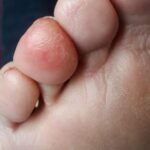
Chilblains are a common painful and annoying condition on the toes when the foot is warmed up too quickly after it is cold. Chilblains are common in those with COVID Toes. What can be done to help chilblains?: It’s worth noting that prevention is key when it comes to chilblains.

Tags:
Posted in Uncategorized | No Comments »

C is for Chi Running

November 13, 2012

Chi running is becoming a popular running form technique Chi Running is a running technique that combines the principles of Tai Chi, a Chinese martial art, with the biomechanics of efficient running. It was developed by Danny Dreyer, a running coach and practitioner of Tai Chi, with the aim of promoting a more relaxed and […]

Tags:
Posted in Uncategorized | No Comments »

C is for Cluffy Wedge

November 13, 2012
C is for Cluffy Wedge

A Cluffy Wedge is an orthotic add-on that dorsiflexes the hallux to help functional hallux limitus and windlass mechanism problems. The Cluffy Wedge is a specialized orthotic device designed to address various foot conditions and biomechanical imbalances. It was created by Dr. James Clough, a podiatrist, and it aims to provide relief and support for […]

Tags:
Posted in Uncategorized | No Comments »

C is for Cracked Heels

November 13, 2012
C is for Cracked Heels

Cracked heels are a common problem under the heel that occurs more often in those with dry skin, wear open heeled shoes and are overweight Here are some suggestions to treat your cracked heels: Consistency is key when it comes to treating cracked heels. It may take some time to see improvement, so be patient […]

Tags:
Posted in Uncategorized | No Comments »