Uncategorized

F is for Frieberg’s Disease

November 15, 2012
F is for Frieberg’s Disease

Frieberg’s Disease is a osteochondrosis of the head of a metatarsal bone, most commonly the second. Frieberg’s disease, also known as Freiberg’s infraction or osteochondrosis of the metatarsal head, is a condition that affects the metatarsal bones in the foot. It is characterized by aseptic necrosis, which is the death of bone tissue due to […]

Tags:
Posted in Uncategorized | No Comments »

C is for Cancer

November 13, 2012

Cancer can affect the foot directly or secondarily via a metastasis to the foot. Cancer can be defined as a complex group of diseases characterized by the uncontrolled growth and division of abnormal cells. These cells have the potential to invade and destroy normal tissues and organs within the body. Cancer can occur in various […]

Tags:
Posted in Uncategorized | No Comments »

C is for Circulation Booster

November 13, 2012
C is for Circulation Booster

The Circulation Booster is a device that provides a small stimulation to the bottom of the foot to encourage the muscles to contract. This is claimed to help the circulation. Circulation boosters, also known as circulation or blood flow stimulators, are devices that claim to improve blood circulation in the legs and feet. They typically […]

Tags:
Posted in Uncategorized | No Comments »

C is for Charcot’s Foot

November 13, 2012

Charcot’s foot is a fracture or dislocation that occurs in medical conditions like diabetes when there is no nerve sensation to feel the trauma. Charcot’s foot, also known as Charcot arthropathy, is a serious complication that can occur in individuals with diabetes. It is a progressive condition that affects the bones, joints, and soft tissues […]

Tags:
Posted in Uncategorized | No Comments »

C is for Chevron Osteotomy

November 13, 2012
C is for Chevron Osteotomy

A Chevron Osteotomy is a common procedure for the surgical management of bunions. The Chevron osteotomy is a surgical procedure commonly used to correct bunions, also known as hallux valgus deformity. It is a type of osteotomy, which involves cutting and repositioning bone to realign the joint and correct the deformity. During a Chevron osteotomy, […]

Tags:
Posted in Uncategorized | No Comments »

C is for Chinese Foot Binding

November 13, 2012
C is for Chinese Foot Binding

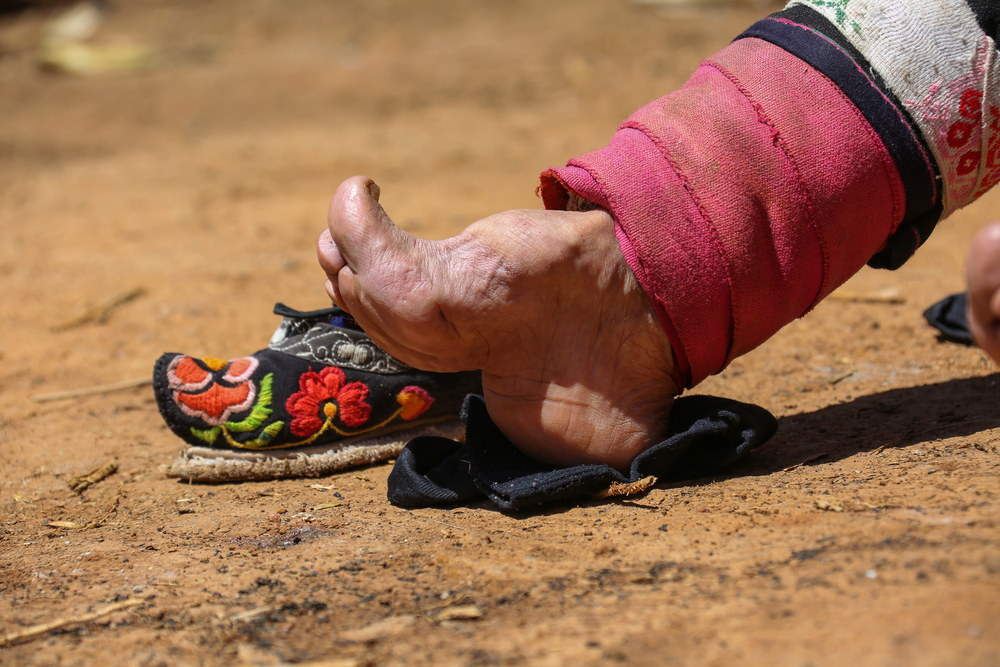
Chinese foot binding is an ancient practice in China in which the feet of young girls were tightly bound to stop them growing as a smaller foot was considered more attractive. Chinese foot binding, also known as lotus feet, was a practice that involved tightly binding the feet of young girls and women in China […]

Tags:
Posted in Uncategorized | No Comments »

C is for Chiropody

November 13, 2012
C is for Chiropody

Chiropody is the old name for Podiatry. The terms “chiropody” and “podiatry” are often used interchangeably, and in many regions, they refer to the same profession. However, there can be regional variations in how these terms are used. In general, though, there is no substantial difference between chiropody and podiatry. Historically, “chiropody” was the term […]

Tags:
Posted in Uncategorized | No Comments »

C is for Clubfoot

November 13, 2012

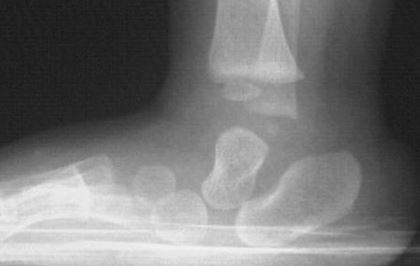
Clubfoot is a congenital birth defect in which the foot is plantarflexed, adducted and inverted. Clubfoot is a congenital condition, meaning it is present at birth, and its exact cause is not fully understood. However, several factors are believed to contribute to the development of clubfoot: Genetic factors: There is evidence to suggest that clubfoot […]

Tags:
Posted in Uncategorized | No Comments »

C is for Congenital Vertical Talus

November 13, 2012
C is for Congenital Vertical Talus

Congenital vertical talus is a condition present at birth that causes a very rigid flat foot. Congenital vertical talus, also known as congenital convex pes valgus or congenital rocker-bottom foot, is a rare foot deformity that is present at birth. It is characterized by a rigid and fixed dorsiflexion of the talus bone (the bone […]

Tags:
Posted in Uncategorized | No Comments »

C is for Corns

November 13, 2012

Corns are probably the most common cause of pain in the foot and the most common problem seen by Podiatrists. Corns on the foot are small, hardened areas of skin that develop as a response to excessive pressure or friction. They are typically round or cone-shaped and may appear yellow or gray. Corns most commonly […]

Tags:
Posted in Uncategorized | No Comments »