
‘Top of Foot Pain‘ is something that those who transition to barefoot or minimalist running too quickly often develop.
Top of foot pain can be caused by various factors, including:
Extensor Tendonitis: Inflammation or irritation of the tendons that run along the top of the foot can lead to pain. This can result from overuse, excessive pressure, or repetitive activities that strain the tendons.
Stress Fracture: A stress fracture is a small crack in a bone caused by repetitive stress or overuse. Stress fractures can occur in the bones on the top of the foot, such as the metatarsal bones, leading to localized pain.
Foot Sprain: A sprain occurs when ligaments are stretched or torn. An injury to the ligaments on the top of the foot, such as the Lisfranc ligament, can cause pain and swelling.
Arthritis: Various forms of arthritis, such as rheumatoid arthritis or osteoarthritis, can affect the joints on the top of the foot, leading to pain, stiffness, and inflammation.
Tarsal Coalition: As mentioned earlier, tarsal coalition refers to the abnormal fusion of bones in the foot. Depending on the specific bones involved, this condition can cause pain and discomfort on the top of the foot.
Nerve Compression: Compression or irritation of the nerves that run along the top of the foot, such as the deep peroneal nerve or the superficial peroneal nerve, can lead to pain, numbness, or tingling sensations.
Footwear Issues: Wearing ill-fitting shoes or footwear that places excessive pressure or friction on the top of the foot can cause pain and discomfort.
Trauma or Injury: Direct trauma, such as a fall or impact to the top of the foot, can result in pain, bruising, and swelling.
Dorsal Ganglion Cyst: A ganglion cyst can develop on the top of the foot, causing a visible lump and discomfort.
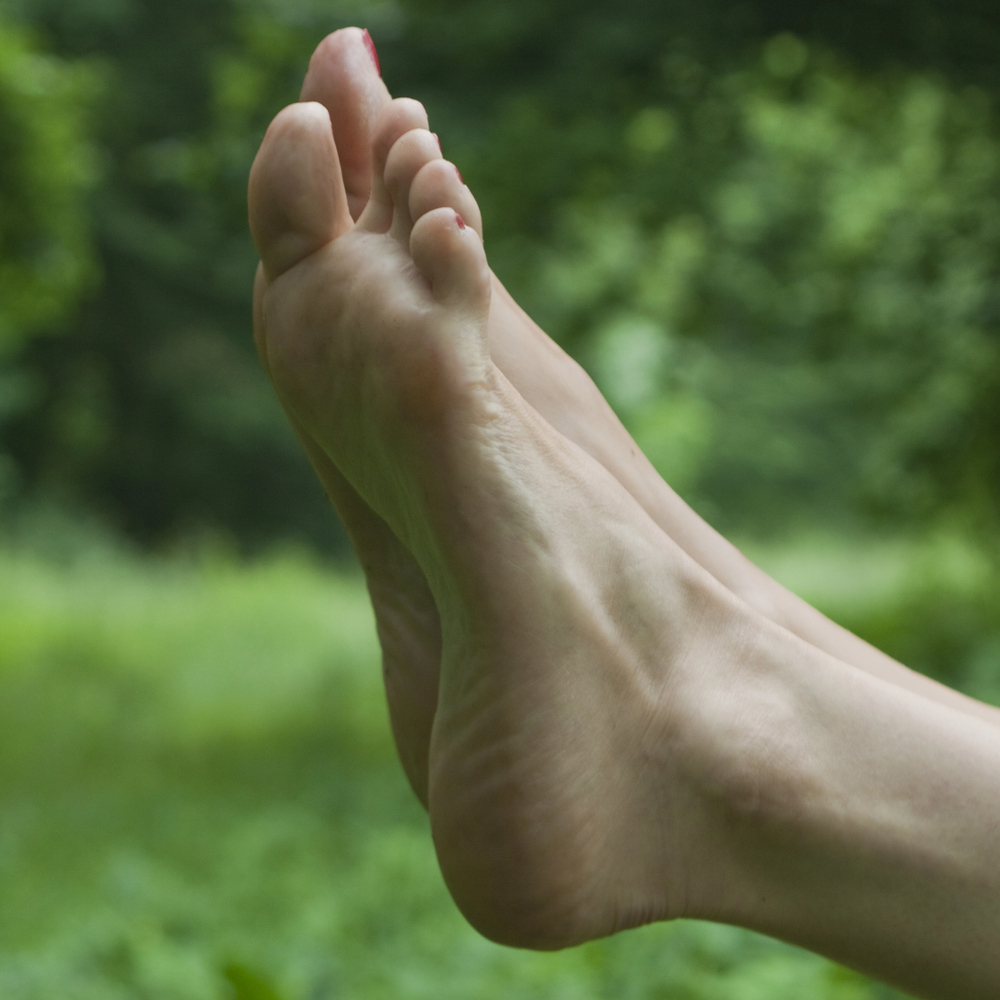
Top of the Foot Pain FAQ’s:
1. What are the most common causes of pain on the top of the foot?
The top of the foot contains tendons, bones (especially the metatarsals), nerves, joints, and little soft-tissue padding, so several issues can cause pain there. The most frequent causes include:
- Extensor tendinitis (or tendinopathy) — Inflammation or irritation of the tendons that lift the toes and foot (extensor digitorum longus, extensor hallucis longus, etc.). Often triggered by tight shoelaces, overuse, sudden increases in activity (especially running or hills), or poorly fitting shoes.
- Metatarsal stress fractures — Tiny cracks in the long bones of the midfoot from repetitive loading (common in runners, dancers, or those who increase activity quickly). Pain is often more focal and worsens with weight-bearing.
- Nerve compression or irritation — Pressure from tight laces, shoes, or a bony prominence can affect superficial nerves, causing burning, tingling, or numbness.
- Other causes: Midfoot arthritis or osteoarthritis, ganglion cysts (fluid-filled lumps), midfoot sprains or Lisfranc injuries (after trauma), gout (sudden severe pain, often with redness/heat), or shoe pressure alone.
Pain is a location, not a diagnosis—the exact cause depends on history, exam, and sometimes imaging.
2. How can I tell if it’s extensor tendinitis versus a stress fracture?
- Extensor tendinitis usually causes an ache or burning along a line on the top of the foot (following the tendon path, often under the laces). It worsens with activity (especially lifting the toes against resistance or going uphill), improves with rest, and may have mild swelling or tenderness along the tendon rather than a single bone spot. It often starts after tight lacing or a sudden activity increase.
- Stress fracture typically produces more pinpoint pain over a specific bone that builds over weeks, worsens with weight-bearing, and may persist or ache at rest later. Swelling or bruising can appear; early X-rays may be normal.
Only a clinician can differentiate reliably (physical exam ± imaging).
3. Can tight shoes or laces really cause top of the foot pain?
Yes—this is one of the most common triggers. Tight laces or a restrictive shoe tongue compress the extensor tendons and superficial nerves against the bones underneath. Pain often improves quickly when you loosen the laces, skip the eyelet over the sore spot (“window lacing”), or remove the shoes. Persistent symptoms after relieving pressure may indicate underlying tendon irritation, a bone issue, or another problem.
4. What home treatments help mild top of foot pain?
For suspected overuse or pressure-related pain (and once serious injury is unlikely):
- Rest or reduce aggravating activities (running, long walks, hills) for several days to a couple of weeks.
- Ice the area (wrapped, 15–20 minutes several times a day).
- Loosen or modify lacing; try shoes with more room on top or better arch support.
- Over-the-counter anti-inflammatories or pain relievers (if safe for you).
- Elevation and gentle range-of-motion if swelling is present.
- Supportive footwear or over-the-counter orthotics if arches contribute.
Most mild cases of tendinitis or pressure pain improve in 1–3 weeks with these steps. Avoid pushing through significant pain.
5. When should I see a doctor or podiatrist?
Seek care for top of foot pain promptly if:
- You cannot bear weight normally, the foot looks deformed, or there was significant trauma (possible fracture or Lisfranc injury).
- Pain is severe, worsening, or not improving after 1–2 weeks of home care.
- There is marked swelling, bruising (especially on the sole or midfoot), redness, warmth, or signs of infection.
- Numbness, tingling, burning, or weakness develops.
- You have diabetes, neuropathy, poor circulation, or a history of gout/arthritis and new foot symptoms.
- Pain interferes with daily activities or sleep.
A clinician may examine the foot, order X-rays (or MRI/ultrasound if needed), and rule out stress fractures, arthritis, or other issues.
6. How long does top-of-foot pain usually take to go away?
It depends on the cause:
- Pressure or mild tendinitis: Often days to a few weeks once the trigger is removed.
- Tendinopathy that has been ongoing: Several weeks of relative rest, activity modification, and rehab.
- Stress fractures: Typically 6–8 weeks (or more) of protected weight-bearing.
- Arthritis or other chronic issues: Managed long-term rather than “cured.”
Early load reduction speeds recovery; continuing high-impact activity can prolong or worsen it.
7. Can gout or arthritis cause pain specifically on the top of the foot?
Yes. Gout can affect midfoot joints (not only the big toe) and typically causes sudden, intense pain with redness, warmth, and swelling. Osteoarthritis or midfoot arthritis produces more gradual aching, stiffness, and sometimes a bony bump, often worse after prolonged standing or with tight shoes.
8. What about a lump or bump on the top of the foot?
A soft, rounded lump is often a ganglion cyst (benign fluid-filled sac from a joint or tendon sheath). It can cause pressure pain, especially with shoes. Bone spurs or arthritic changes can also create firm prominences. Most small, asymptomatic cysts are observed; symptomatic ones may need evaluation.
9. How can I prevent top of foot pain?
- Lace shoes properly—avoid excessive tightness over the midfoot; try alternative lacing patterns.
- Choose footwear with adequate room on top, good cushioning, and appropriate support for your foot type.
- Increase activity (mileage, intensity, hills) gradually.
- Address biomechanical factors (e.g., overpronation, tight calves, weak anterior muscles) with strengthening, stretching, or orthotics if needed.
- Replace worn shoes regularly.
10. Is top of foot pain ever a sign of something more serious?
While most cases of top of foot pain are overuse or footwear-related, red flags include inability to walk, deformity after injury, progressive swelling/bruising (possible Lisfranc injury or fracture), systemic signs (fever with red/hot foot), or neurological symptoms. People with diabetes need especially prompt evaluation for any new foot problem.
If symptoms of top of foot pain are mild and clearly linked to recent activity or tight shoes, conservative measures are often effective. For anything unclear, persistent, or severe, professional assessment is the safest next step.